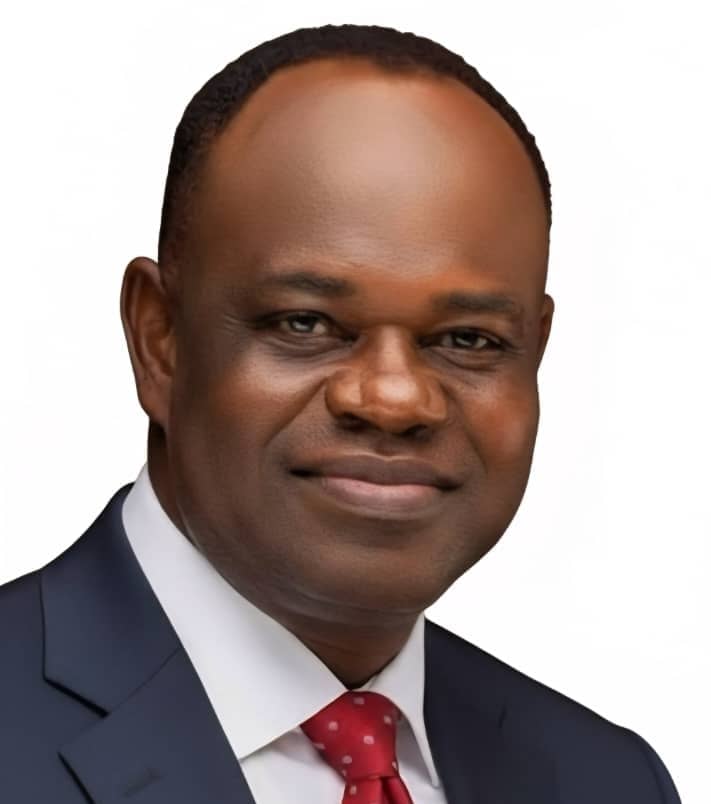
THE CHURCH INCLUSION WITHIN THE RENEWED HOPE AGENDA
LECTURE BY BISHOP DR. BANKOLE JEFFERSON PH.D, D.D
Church Inclusion within the Renewed Hope Agenda represents a strategic partnership between the Nigerian Federal Government and faith-based organizations to drive national transformation. Given the Church’s deep reach into the grassroots, its role has shifted from purely spiritual guidance to becoming a key implementation partner for social and economic reforms.
Below is a breakdown of how the Church is being integrated into this national agenda.
- Strategic Pillars of Engagement
The government has increasingly called upon religious leaders to move “beyond the pulpit” to align with the agenda’s core goals: Social Investment & Welfare:
Through the Renewed Hope Initiative (RHI), led by the First Lady, the Church serves as a distribution network for food outreach, grants for women, and health interventions (such as cancer screenings and HPV vaccinations). Education Reform:
The Federal Ministry of Education has explicitly sought partnerships with major denominations (notably the Catholic Church) to overhaul curriculum standards and improve access to quality education. Civic Education:
Churches are being utilized as “Renewed Hope Ambassadors” to translate complex government policies—like the removal of subsidies or new credit schemes—into relatable information for their congregations. - Economic & Human Capital Development
The Church’s role in the 2024–2026 “Acceleration Phase” focuses on tangible economic contributions:
Skill Acquisition:
Many Pentecostal and Orthodox churches have integrated vocational training centers that align with the government’s focus on the Digital Economy and Agricultural Productivity.
Financial Literacy:
Faith-based organizations are being encouraged to adopt cooperative banking models to help members access the Nigerian Education Loan Fund (NELFUND) and other SME credit facilities.
Job Creation:
Large-scale church-led projects in construction, healthcare, and hospitality act as significant employers, directly supporting the agenda’s goal of reducing unemployment.
- Moral Governance & National Unity
The Secretary to the Government of the Federation (SGF) has consistently appealed to the clergy to serve as Moral Compasses and Peace Builders:
Conflict Mitigation: Churches are viewed as essential mediators in resolving communal and inter-religious tensions that threaten national stability.
Accountability: By promoting “Leadership Ethics” and “Conscience Formation,” the Church provides the moral framework necessary to combat corruption, which is a prerequisite for the success of the Renewed Hope Agenda.
Comparison of Roles: Church vs. Government
Sector – The Government Role (Policy) vs. The Church Role (Implementation)
I. Education – Funding & Curriculum Standards, Providing Mission Schools & Vocational Training
II. Poverty Alleviation – Social Safety Net Programs, Direct Welfare (Food, Healthcare, Grants) |
III. National Security – Intelligence & Defense, Peacebuilding & Community De-escalation
IV. Economy – Macroeconomic Stability, Micro-level Empowerment & Cooperative
“Also, seek the peace and prosperity of the city to which I have carried you into exile. Pray to the Lord for it, because if it prospers, you too will prosper.” Jeremiah 29.7


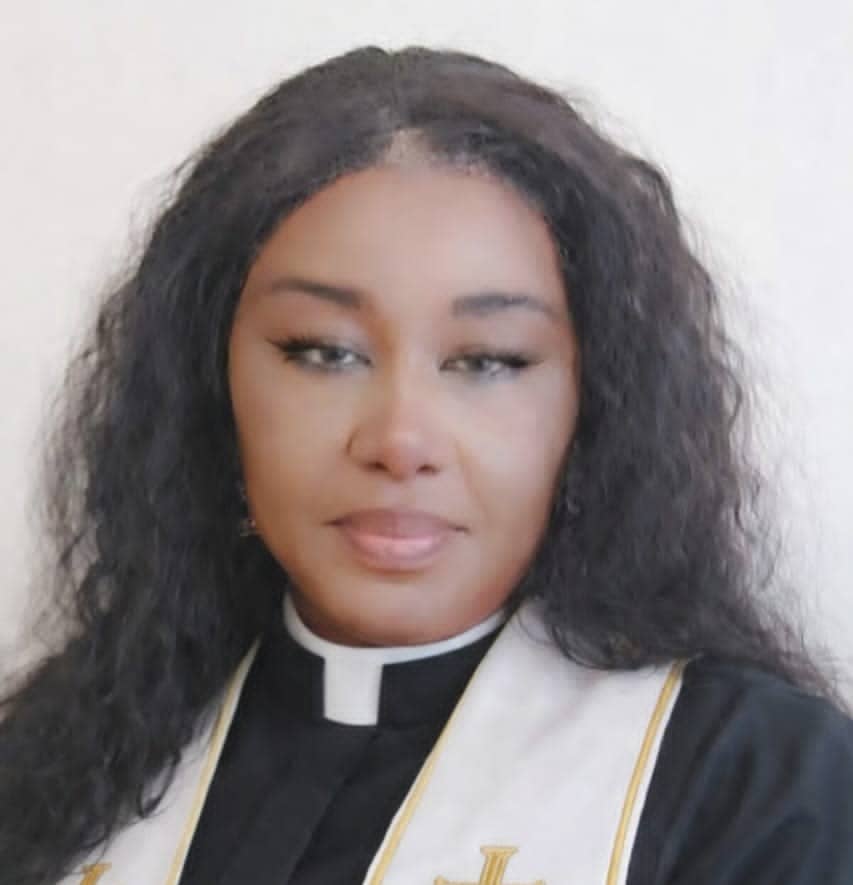

I am surprised at this article, I have not seen any serious attempt by the government to partner with the Church for the uplifting of our people. Infact I see quite the opposite.
Attempts by political figures to use the Church to further partisan interests. Many Churches are being encouraged to involve themselves directly in projects that are beneficial to their communities.
The PFN in Lagos is very strong on this, we are seeing increasing interventions in various areas by the Churches, and even importantly these interventions are now being highlighted more.
No, this article in my opinion is more a pr job than rooted in reality.