Christian Benefits United Kingdom (UK) columnist, Martins Odigbo, recently published in his Maranatha Column on the subject: TITHE: FACT OR FALLACY, TRUST OR THREAT.
In that piece the columnist submitted among others that God deals with human beings according to the dispensation in which they lived or are living.
He added that in every dispensation God has rules that He wants people to operate within. “However, some who want to justify tithing in the modern sense often jump from Isaac to Jacob. Jacob made a vow to give 10% of his possessions to God with an unbelieving mind, and there is no record of him actually paying 10% to God, as he gave part of his goods to his brother Esau.
“Additionally, God was speaking of eternal, spiritual matters, while tithing deals with temporary, physical things.” he submitted. (Read the full recap of the article later in this piece).
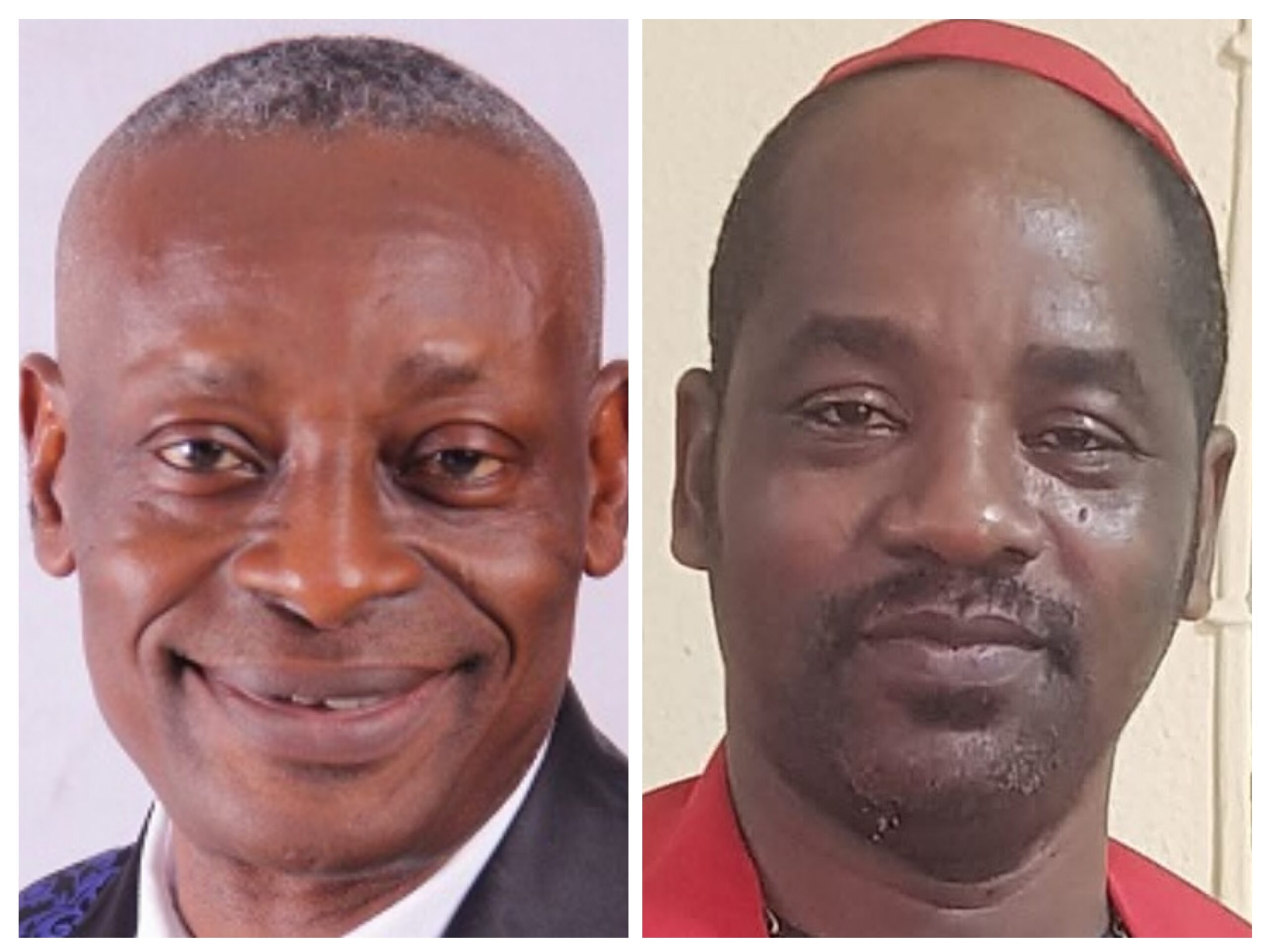
Prof. Patrick Oyinkari, the General Overseer of The 7th Day Church of God, Mafoluku, Lagos, in his response to the article through Christian Benefits online agrees with Martins Odigbo’s submission that tithing was dispensational. He gives further insight on the subject of tithing, which he reels out in the seven points below:
Interesting! We touched on the tithes again today and came out with the following:
1. There were three principal tithes – for the temple service, for the less privileged, and for family vacation. Main issues have been about the first one and the discourse also did.
2. It was dispensational and conditioned on the functions of the Levitical priesthood and their service in the temple at Jerusalem. Without these the law of the tithe is not applicable.
3. It depended on the crops and livestock of the Promised Land and no more to support the Levitical priesthood for they having no farmland in the land were to be fed by the other eleven tribes that had.
4. No other tribe could receive tithes unless they were strangers, orphans, widows and their kind.
5. Nehemiah had instituted a temple tax when there was a shortfall in the tithes to support the house of God. When the generosity of the people overwhelmed the storage facilities in the temple at Jerusalem king Hezekiah built storehouses to accommodate the supplies. When there was outright failure to give the tithes Malachi referred to these storehouses in chiding and challenging the people.
6. Jesus (of the tribe of Judah) and His apostles, not being Levites did not live on tithes, neither did Paul ( of the tribe of Benjamin).
7. There’s nowhere in the New Testament that tithes are mentioned except when Yeshua rebuked the scribes and Pharisees.
ARCHBISHOP MARK OMONZE OF ALL GRACE CATHEDERAL ALSO RESPONDS TO THE ARTICLE

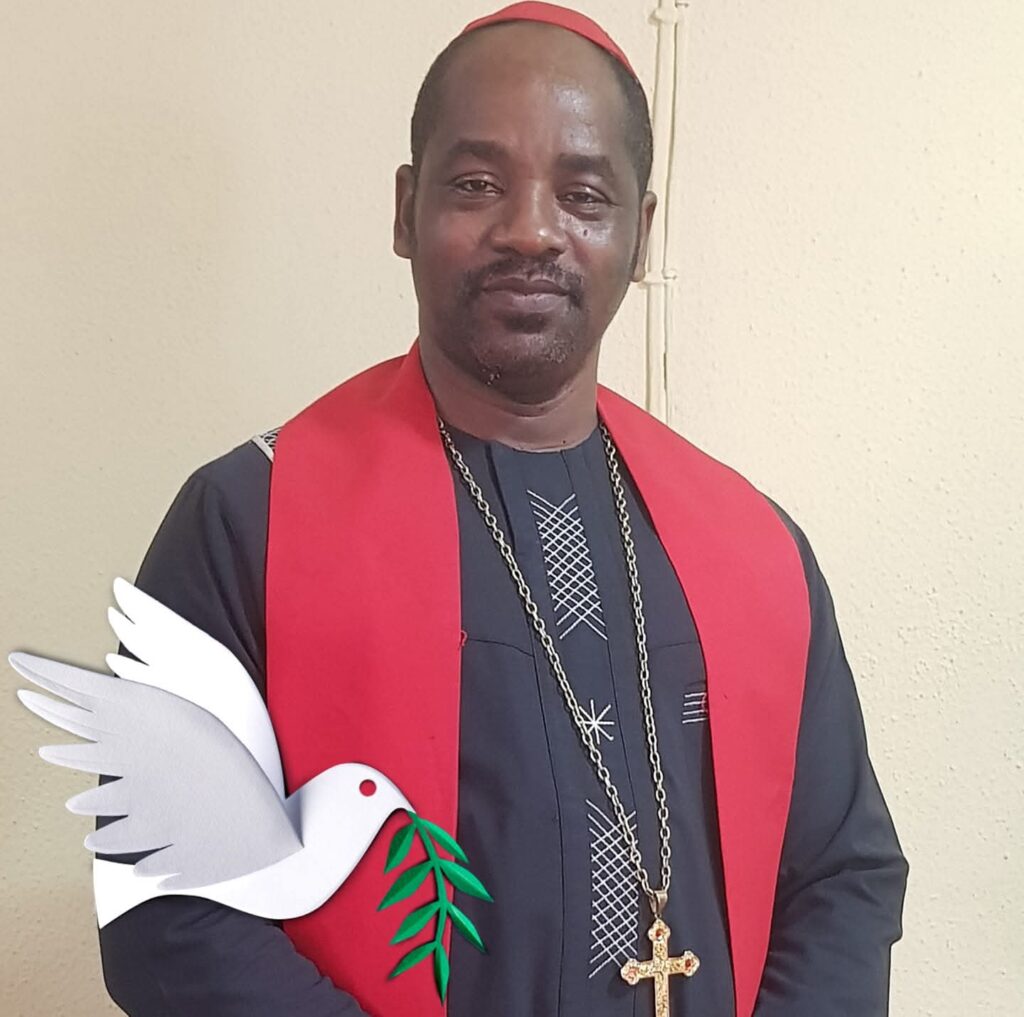
Archbishop Mark Omonze, the General Overseer of All Grace Cathedral, Lagos, expressed reservations about the position taken in the article. In a text message to Christian Benefits, the Archbishop raised several questions regarding the theological and spiritual implications of the teaching.
“If I must comment,” he wrote, “does this teaching build faith? Does the argument draw anyone closer to God? Are people more committed to God now that they are told not to tithe?
The Bible says we should do all things for edification. Abraham gave from the spoils—not from his farm—but he still gave ten percent of something. Jacob also pledged ten percent of all that God would give him. There was no law and no command at that time—just a voluntary act based on faith. Later, God adopted the practice and commanded it under the law. Why? Because on several occasions Israel was warned by the prophets to observe it for the health of the nation.
In the New Testament, Jesus is recognized in the book of Hebrews as the High Priest after the order of Melchizedek. The argument about His superiority over the Levites is that the Levites, while still in Abraham’s loins, effectively gave tithes to Melchizedek through Abraham. Why would anyone then suggest that Jesus does not deserve tithes?
What exactly is the order of Melchizedek? What was the role of Melchizedek?
There are so many evils in the world to preach and teach against, yet tithing is where people expend so much energy. Is giving tithe evil in any way? Did God not command it at a point? Was it not men who collected tithes in the Old Testament? Are they superior to the servants of God who collect tithes now? Is it not the same work of God?”
The Archbishop further referenced Hebrews 7:6–8: “But he whose descent is not counted from them received tithes of Abraham, and blessed him that had the promises. And without all contradiction the less is blessed of the better… And here men that die receive tithes; but there he receiveth them, of whom it is witnessed that he liveth.”
He adds: “They say Melchizedek did not receive tithes, yet it is clearly stated here that he did. What then is the meaning of verse 8?
Why do people expend so much energy trying to overthrow faith rather than build it? It is a pity. Let them prove their theology with fruits and power, rather than mere talks and debates.”
Full recap of Martins Odigbo’s article on TITHE: FACT OR FALLACY, TRUST OR THREAT recently published in Christian Benefits


God deals with human beings according to the dispensation in which they lived or are living (Romans 2:11-12; Isaiah 30:18; Psalm 96:13). In every dispensation, God has rules that He wants people to operate within.
The most pronounced dispensations we often refer to are the times of “LAW” and “GRACE”, and it is important not to mix the two, otherwise error arises (Mark 2:22).
THE LAW
Scriptural References: Exodus 20–23; Leviticus 27:30-32; Numbers 18:8, 20-28
The Full Implementation of the Law: Deuteronomy 12:10-11, 18 (Old Testament/Covenant).
God chose the Levites, and no one can question God’s choice (Daniel 4:35; Exodus 32:26-28; Luke 14:26; Numbers 25:7, 11; Hebrews 1:8-9; 1 Samuel 2:30; Matthew 10:33).
The Levites were chosen to serve the Lord in the Tabernacle and, therefore, had no inheritance of farmland (Leviticus 6:12-13). To ensure the continual fire in the Tabernacle, God commanded the other tribes of Israel to give one-tenth (10%) of their farm produce to the Levites. The Levites, in turn, were to give one-tenth of what they received into the storehouse for the sacrifices, while they lived on the remainder.
DID ABRAHAM PAY TITHE?
Scriptural Reference: Genesis 14:13-24
Abraham gave Melchizedek one-tenth (10%) of the spoil from war. David also had spoil from war (1 Samuel 30:18-20, 26), which was a common practice when conquering nations—except where God explicitly forbade it (Joshua 6–7).
Abraham did not give 10% from his farm products, nor did he touch the remaining 90% of the spoil. He built several altars to God, but there is no record of him paying anyone a regular tithe.
If God is just, the Law of tithing, which was given during the time of the Law, cannot apply to Abraham, who lived before the Law.
Conclusion: The tithe existed in principle, but God only instructed the children of Israel under the Law on how to collect and spend it, with the Levites living off it (Hebrews 7:1-5; 1 Peter 2:9; Revelation 1:6).
DID JACOB PAY TITHE?
Scriptural Reference: Genesis 28:12-22
God is referred to as the God of Abraham, Isaac, and Jacob. However, some who want to justify tithing in the modern sense often jump from Isaac to Jacob. Jacob made a vow to give 10% of his possessions to God with an unbelieving mind, and there is no record of him actually paying 10% to God, as he gave part of his goods to his brother Esau.
Additionally, God was speaking of eternal, spiritual matters, while tithing deals with temporary, physical things.
LESSONS FROM HABAKKUK AND PHILIPPIANS
Habakkuk 3:17-18 teaches us to praise God in all situations, and Philippians 4:4 commands us to rejoice always, showing that obedience and devotion to God go beyond financial giving.
WHAT ABOUT MALACHI 3:10?
The battle today is not just between God and Satan, but also between God and Money (Matthew 6:24). The law of sowing and reaping is universal (Galatians 6:7).
Prophetic books like Malachi address the past, present, and future, sometimes specifically for the nation of Israel. While there are lessons for us, we must be careful not to derive doctrines solely from historical events (2 Timothy 3:16-17; Romans 15:4).
Highlights from Malachi:
Chapter 1: God condemned the offering of defiled animals. Lesson: Give cheerfully (2 Corinthians 9:6).
Chapter 2: Priests causing people to stumble; poor treatment of spouses. Lesson: Manage your home and relationships well (1 Timothy 3:12).
Chapter 3: Verses 8-10 discuss tithes to priests from Levites, meant for the poor and strangers. Verses 13-15 address honoring God above earthly wealth (James 2:1-9). Verses 16-18 encourage those who serve God faithfully despite hypocrisy (Revelation 22:12).
Chapter 4: Warning against pride and wickedness (Psalm 9:17); encouragement to the righteous (Revelation 22:12).
DID JESUS COMMAND TITHING IN THE NEW TESTAMENT?
Scriptural References: Matthew 23:23; Luke 1:5-9; Luke 2:21-24; Luke 5:12-14
Jesus lived most of His life under the Law (Old Covenant). His rebuke of the Pharisees in Matthew 23:23 was directed at those under the Law, not New Testament believers.
CHANGE OF COVENANT
Scriptural References: Hebrews 7:1-18; 8:13; Romans 7:6
Early Apostolic Practice: Acts 2:42-45; Acts 4:32-37; 2 Corinthians 9:6; Romans 12:1
Before anything, one must be born again and have a relationship with God. Remember: we cannot bribe God (Proverbs 15:8; 21:27; Jeremiah 6:20; Malachi 1:10).
The wicked may claim there is no God, but truth prevails (Psalm 14:1; 2 Corinthians 8:5).
WHY THIS ISSUE OF TITHE?
Following the Law of tithing obligates one to follow the entire Levitical Law, otherwise, one is a transgressor (James 2:10).
The Law cannot justify anyone; it is for those under it (Romans 3:19-20; Galatians 2:15-16; Galatians 3:11).
Continuing under the Law nullifies Christ’s death (Galatians 2:21).
Those under the Law are under a curse and still in bondage (Galatians 3:7-10; 5:1-4).
Whosoever confuses the people of God with legalistic tithing shall bear the penalty, regardless of their position in any denomination (Galatians 5:10; 1:8).


