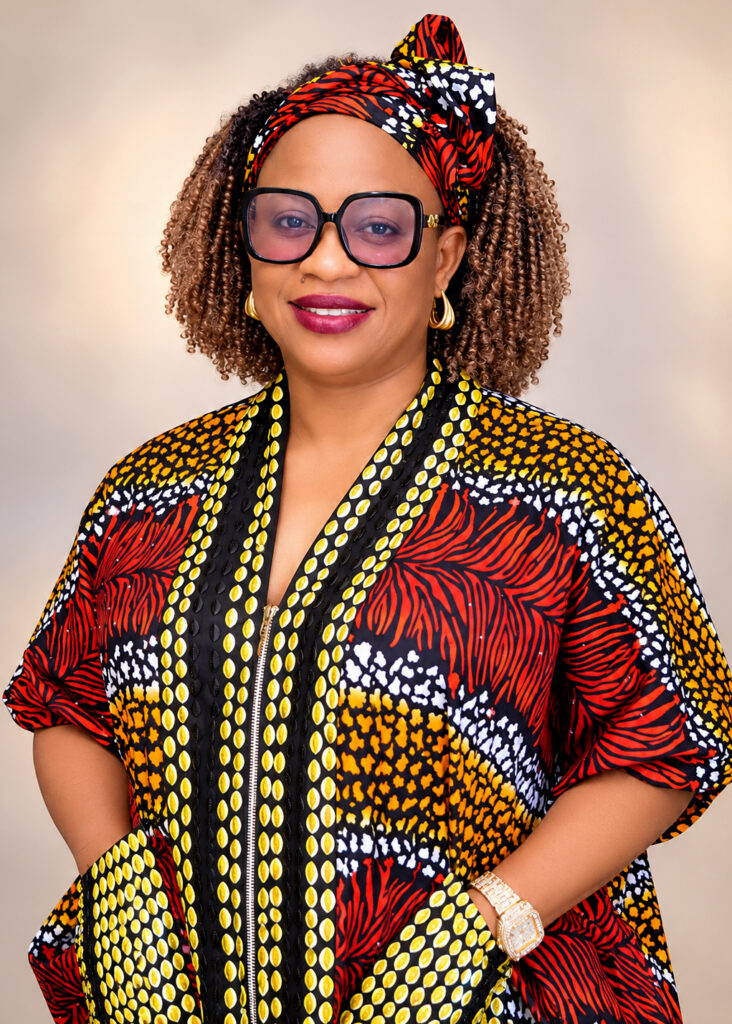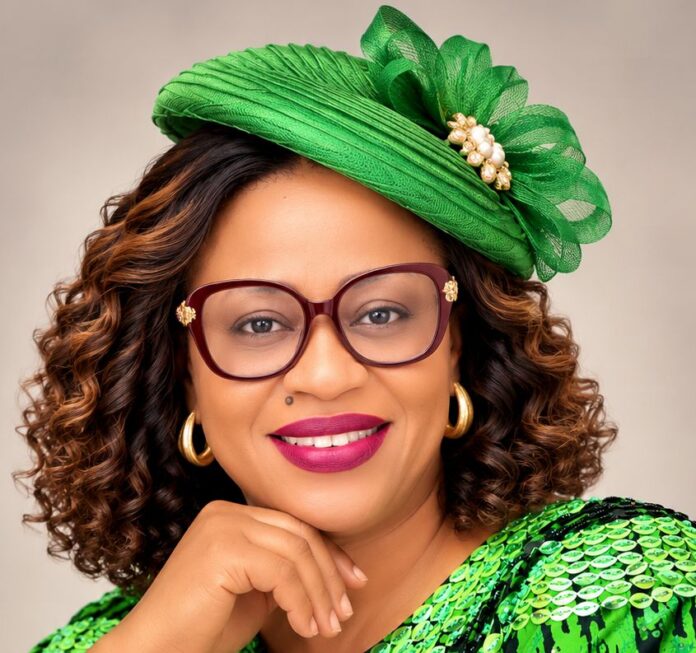

Apostle Dr. Angela Ohakosim, an Apostle, dynamic deliverance minister, preacher, visionary, educationist, researcher, executive consultant and transformational leader, is the Senior Pastor of Divine Call Bible Church Inc., Lagos, and the founder and convener of several Kingdom and humanitarian initiatives. In this interview with Christian Benefits, she speaks on her journey into ministry, prophetic calling, political involvement and public-service philosophy, stressing the need for people of integrity to participate responsibly in politics and contribute to the strengthening and development of society.
How would you like us to introduce you to our readers?
I am Apostle Dr. Angela Ohakosim—an Apostle, dynamic deliverance minister, preacher, visionary, educationist, researcher, an executive consultant and transformational leader. I am the Senior Pastor of Divine Call Bible Church Inc., Lagos, and the founder and convener of several Kingdom and humanitarian initiatives, including The Praying Apostles International (TPA), Female Gospel Ministers Network International (FGMNI), Radiance Achievers Youths and All Children Matter Foundation.
My life is driven by a profound conviction that every individual is endowed with a divine assignment and that leadership is ultimately a stewardship entrusted by God for the advancement of humanity.
I am passionate about raising people, developing leaders, empowering women and young people, strengthening families, advancing the Gospel and making meaningful prints in the sands of time.
Please share your background, upbringing, education, and salvation encounter with our readers.
I was raised within a Christian environment where faith, discipline, integrity, hard work and reverence for God were deeply valued. Those foundational principles became part of the architecture of my character and have continued to influence my decisions, leadership and service.
My educational journey has been progressive and multidisciplinary, with strong interests in leadership, finance, research, education and human development. I have always believed that education is not merely the acquisition of certificates but the cultivation of capacity, wisdom and intellectual relevance.
One of the most defining encounters of my life occurred in 1991, when I surrendered my life to Jesus Christ during an annual Christian festival crusade in Ogbe Stadium in Benin City, led by late Papa – Archbishop Benson Idahosa, following an altar call. That encounter was more than a religious experience; it marked the beginning of a transformational journey with Christ.
From that moment, my passion for God’s Word, prayer and Kingdom service continued to deepen. With hindsight, I can see that God was laying the spiritual foundation for the assignment He would eventually entrust to me.
When did you receive your call into ministry, and how did it happen?
My call into ministry was progressive rather than instantaneous. I began by serving in the evangelistic and teaching dimensions of the Christian faith and subsequently served in pastoral capacities, including as an Assistant Pastor within RCCG and in other ministry assignments.
Through these seasons of service, God began to unveil a deeper dimension of my calling. I became increasingly conscious of an apostolic mandate that extended beyond a local congregation into leadership development, prayer, deliverance, evangelism and Kingdom influence across geographical and societal boundaries.
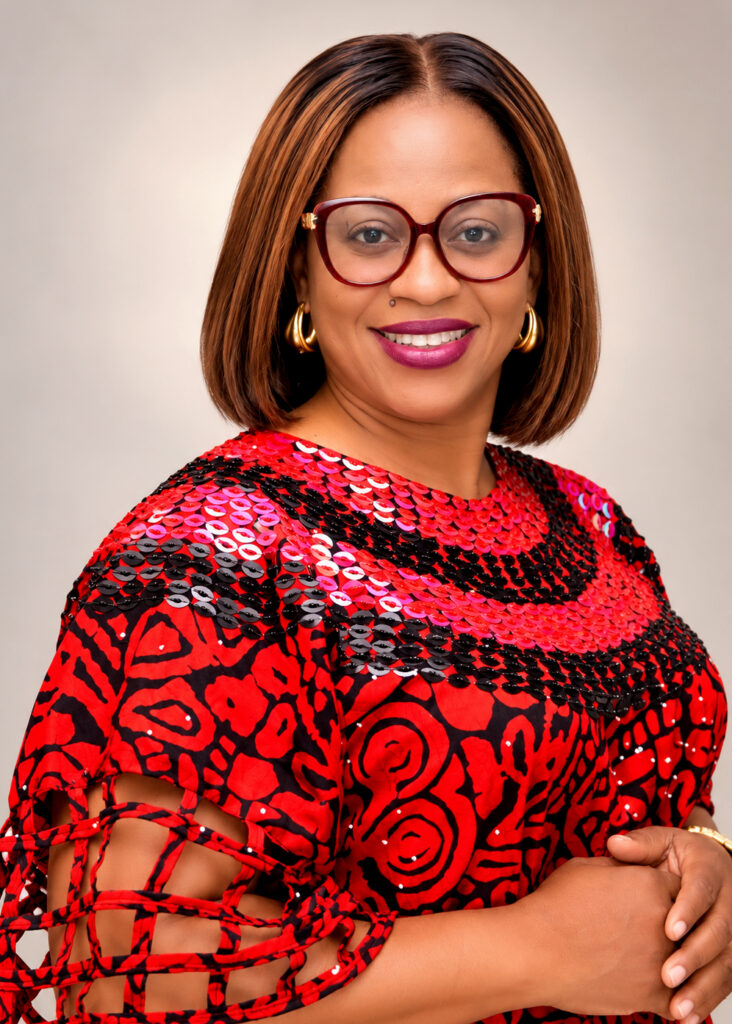
The revelation of this mandate became increasingly compelling, and I eventually embraced the apostolic assignment with a deeper understanding of its demands.
Today, I recognise that every previous season—every assignment, challenge, relationship and opportunity—was part of God’s preparation for the larger mandate.
What is your ministry mandate, and how has it impacted lives?
My ministry mandate is to preach Christ, raise Kingdom-minded people, restore destinies, equip believers, develop leaders, strengthen families and advance the Gospel across boundaries.
I am particularly passionate about prayer, deliverance, prophetic ministry, discipleship and leadership development. Through these expressions of ministry, we have witnessed people experience spiritual renewal, restoration, encouragement, healing, deliverance and a renewed consciousness of purpose.
However, I measure ministry beyond crowds and platforms. The greatest evidence of impact is transformed lives.
My desire is to raise people who will not merely attend church but will become agents of transformation in their families, professions, communities and nations.
As a Prophetess, what responsibilities guide your prophetic ministry and Christian service?
I regard the prophetic office as a sacred trust rather than a title. It demands spiritual sensitivity, biblical knowledge, discernment, discipline, humility, accountability and a genuine fear of God.
The prophetic ministry must never become an instrument of manipulation, self-glorification or personal ambition. Its ultimate purpose is to glorify Christ and minister God’s counsel to His people in accordance with His Word.
I therefore place a strong emphasis on prayer, Scripture, spiritual discipline and integrity. I believe that the messenger must continually submit to the message and that the character of the minister must complement the gift.
What major challenges have you faced, and how has God sustained you?
My journey has had its share of demanding seasons. I have encountered opposition, disappointments, complex responsibilities, financial challenges, leadership pressures and moments when the magnitude of the assignment appeared greater than my human capacity.
But every challenge has also become a classroom.
God has sustained me through His Word, the Holy Spirit, prayer, family, genuine relationships and the grace to keep moving forward even when circumstances were difficult.
One Scripture that has remained particularly meaningful to me is Isaiah 43:2: “When thou passest through the waters, I will be with thee.”
I have learned that adversity may test one’s faith, but it does not have the authority to terminate God’s purpose. Some of the seasons that appeared most difficult eventually became some of the greatest instruments of my growth.
What informed your decision to venture into politics as a politician?
My decision to participate in politics is rooted in my conviction that societal transformation requires responsible participation across different spheres of influence.
The Church has a spiritual responsibility, but citizens also have a responsibility to contribute to the wellbeing and development of society. Politics is one of the avenues through which decisions affecting education, infrastructure, economic opportunities, social welfare and community development are made.
My involvement therefore comes from a desire to contribute my experience, leadership capacity, strategic thinking and commitment to human development to the public space.
I believe that people of integrity should not completely withdraw from public affairs; rather, they should participate responsibly and contribute to the strengthening of society.
What political vision, beliefs, and aspirations guide your public service journey?
My public-service philosophy is anchored on integrity, accountability, inclusion, human capital development, empowerment and responsible leadership.
I believe leadership should be measured by the value it creates in the lives of people. Public office should therefore be approached as a sacred responsibility to serve rather than merely an avenue for personal advancement.
I am particularly passionate about women, children, young people, education, entrepreneurship, capacity development and community advancement.
My aspiration is to contribute to a society where citizens are empowered to fulfil their potential, institutions function responsibly and leadership remains genuinely people-centred.
How do you balance your ministry responsibilities with your political involvement and commitments?
Balance requires intentionality. I have learned to manage my responsibilities through discipline, planning, delegation and effective time management.
I also understand the importance of empowering capable people. Leadership is not about doing everything yourself; it is about building structures and people who can effectively carry responsibility.
Above all, prayer remains central to my decision-making process.
My Christian convictions provide the moral compass for every sphere of my engagement. Whether in the pulpit, in leadership or in public service, I remain conscious that influence must never become a substitute for integrity.
What is your perspective on women participating in ministry, politics, and leadership?
I believe women have an indispensable role to play in the transformation of families, institutions, communities, nations and the Church.
Women should not be confined to the background when God has endowed them with leadership capacity, intellectual ability, creativity and influence. We must encourage women to develop their gifts and participate meaningfully in ministry, politics, business, education, governance and other spheres of societal influence.
However, I also emphasise that visibility must be preceded by capacity.
Women should prepare themselves intellectually, spiritually, emotionally and professionally. We must raise women who are not merely seeking platforms but are prepared to provide solutions when they receive them.
How has your family supported your ministry and political responsibilities throughout your journey?
My family has been an invaluable pillar throughout my journey.
Behind every visible leadership assignment are sacrifices that the public may never see. My family has had to accommodate demanding schedules, ministry responsibilities, travel, meetings and numerous commitments associated with leadership.
I deeply appreciate my husband, my children and my extended family for their prayers, understanding, encouragement and support.
Their contribution to my journey cannot be separated from the story of my own leadership journey. I consider family a divine institution and one of the most important platforms from which sustainable impact can be built.
What advice would you offer young women pursuing ministry, politics, and public service?
My counsel to young women is this: discover your purpose, develop your capacity and guard your character.
Do not pursue visibility without preparation. Do not desire a platform before developing the competence required to occupy it effectively. Education, character, wisdom, discipline and integrity remain invaluable currencies in leadership.
In ministry, remain grounded in Christ and His Word. Do not allow applause to become your motivation. In politics and public service, preserve your principles and remember that public influence comes with public responsibility.
Build relationships, remain teachable, learn continuously and never despise humble beginnings.
Above all, understand that position is temporary, but impact can become generational.
I would encourage every young woman to arise with courage, prepare diligently, serve faithfully and refuse to allow societal limitations to define the boundaries of her God-given potential.
As Scripture declares:
“And let us not be weary in well doing: for in due season we shall reap, if we faint not.” — Galatians 6:9 (KJV)
My greatest desire is that when my journey is finally reviewed, it will be evident that I did not merely occupy spaces—I added value, raised people, served humanity, advanced the Kingdom and left footprints worthy of remembrance.