

The Founder and General Overseer of Mercy Tabernacle, Bishop Bank Jefferson, has advocated the decentralisation of Nigeria’s governance structure and the establishment of state and community policing as part of measures to address the country’s security and socio-economic challenges.
Jefferson made the call while speaking with journalists during the church’s recently concluded 30th anniversary celebration, themed Festival of Glory, in Lagos.
According to him, Nigeria’s present political structure has failed to adequately respond to the nation’s growing security, economic and governance concerns, insisting that true federalism would enable the federating units to function more effectively while preserving the country’s unity.
“Nigeria needs to be unbundled. We need to decentralise the system. We can decentralise and still remain one nation. What we need is true federalism,” he said.
The cleric also backs the creation of state and community police, arguing that the country’s existing security architecture lacks the manpower required to protect a population of over 220 million people.
He noted that many security personnel are deployed to protect public office holders and affluent individuals, leaving millions of Nigerians inadequately secured, while warning that the nation could face greater risks in the event of external aggression.
Jefferson attributed the country’s security and developmental challenges largely to weak institutions, poor governance and corruption, alleging that funds appropriated for infrastructure and security are frequently diverted or poorly utilised.
Citing the poor condition of roads in his Ogba community despite repeated budgetary allocations, he said Nigeria’s development crisis reflected the absence of accountability and effective institutional structures.
He further argued that while government officials often admire the organisational success of churches, the public sector has failed to build the systems and values necessary for effective leadership and accountability.
On the 2027 general election, Jefferson said the ruling administration remained well positioned because of ongoing infrastructure development and the political advantage that comes with incumbency.
“This is not a prophecy. The government is investing in infrastructure, particularly road construction, and those efforts should be acknowledged. Combined with the advantage of incumbency, it stands a strong chance in the next election,” he said.
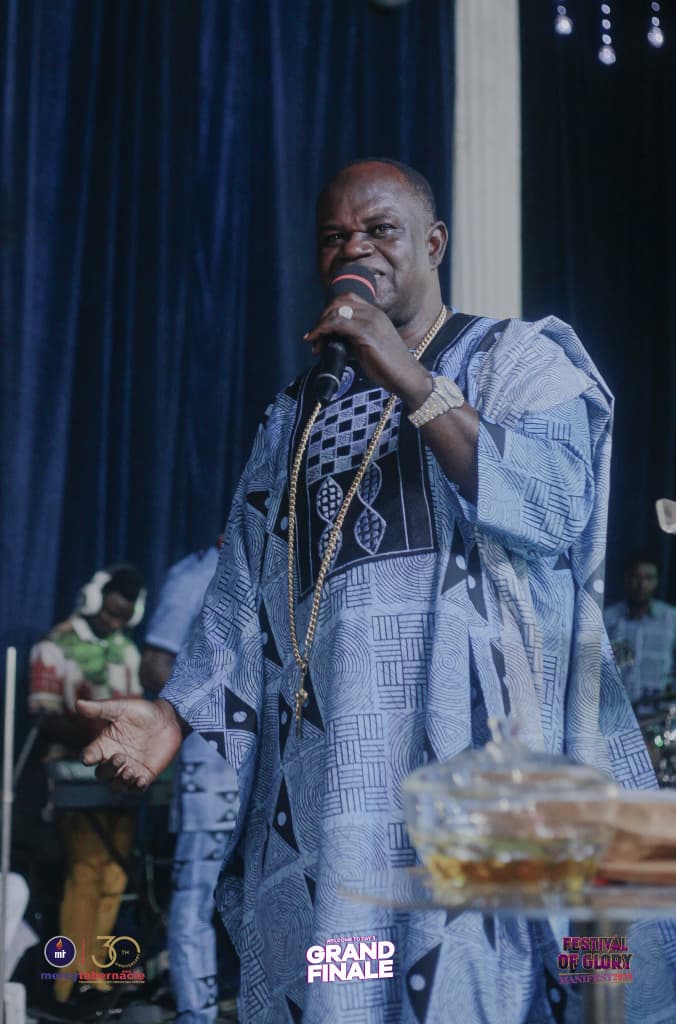
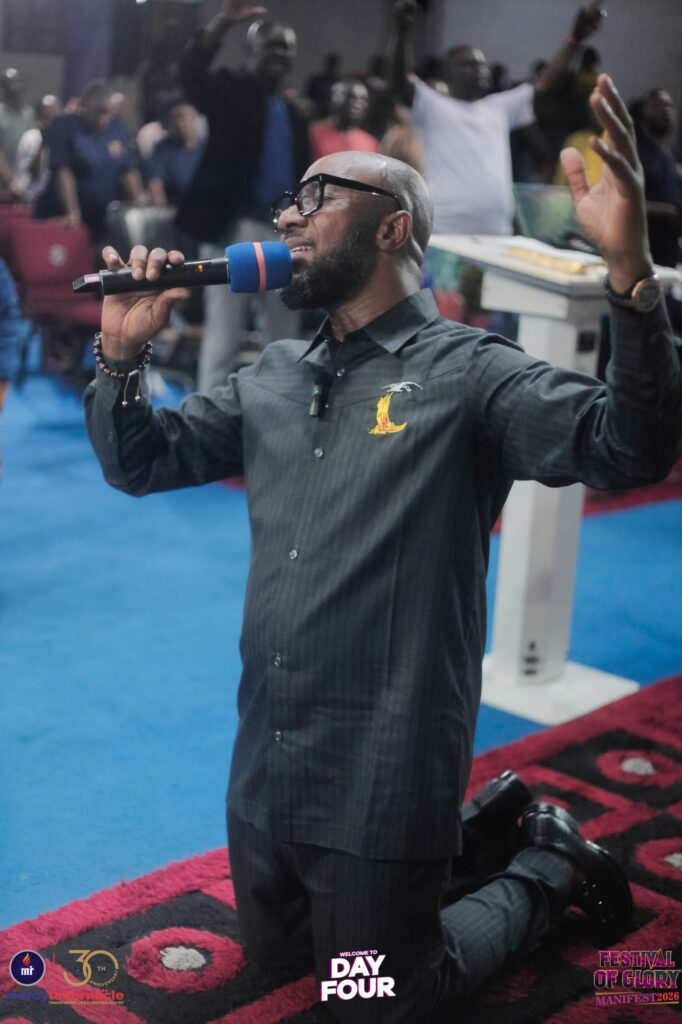
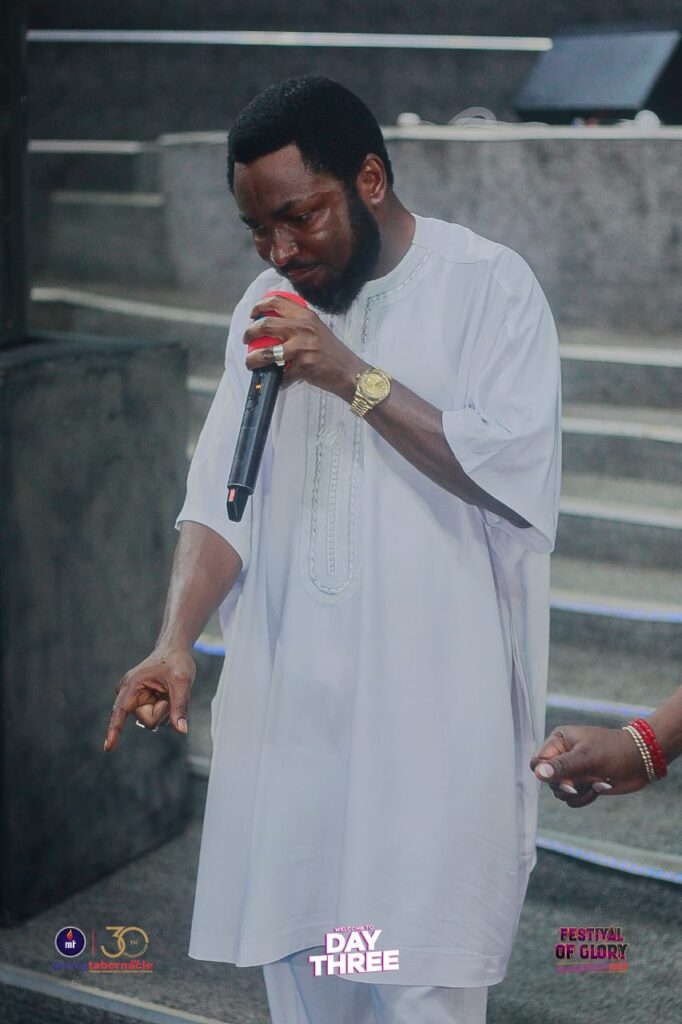
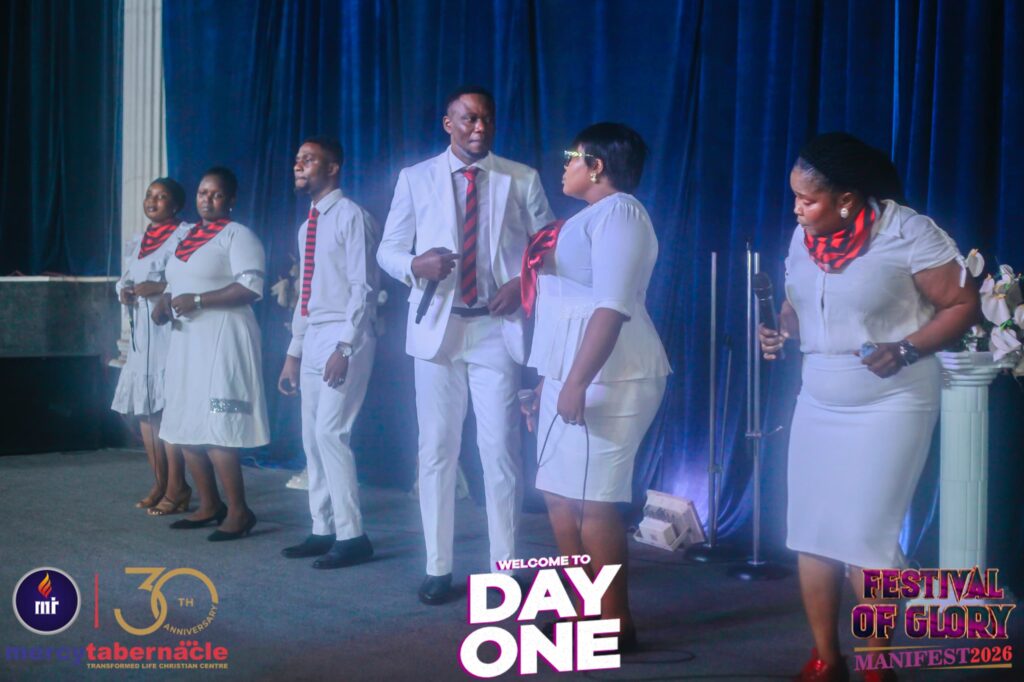
The remarks came as Mercy Tabernacle concluded activities marking its 30th anniversary with a thanksgiving service, presentation of awards to distinguished members and public figures, distribution of food packs to members and residents of the host community, and ministrations by guest speakers, including Pastor Tunde Bakare, Prophet Emmanuel Omale, Dr. Sam Tukura and Pastor Alex Omokudu (UK).
The church also declared seven consecutive Sundays of anointing services, tagged Open Heavens, to herald the next phase of the church.
Reflecting on the ministry’s three decades of existence, Jefferson attributed its growth and longevity to God’s mercy and faithfulness, describing the anniversary as a testimony of divine preservation despite several life-threatening experiences.
He explained that the name Mercy Tabernacle emerged from what he described as a divine instruction to “stand on the side of mercy,” adding that the ministry remains committed to extending God’s mercy and proclaiming the Gospel of Jesus Christ.
Speaking on the anniversary theme, Festival of Glory, the bishop said it reflected God’s promise of restoring lost destinies and bringing renewed hope to lives that had experienced setbacks.
The anniversary attracted worshippers and guests from within and outside Nigeria. The week-long celebration featured ministrations by Pastor Tunde Bakare, Prophet Emmanuel Omale, Dr. Sam Tukura and Pastor Alex Omokudu (UK), alongside thanksgiving, humanitarian outreach, awards presentations and other activities commemorating three decades of the church’s ministry while reaffirming its commitment to advancing the Gospel and serving society.